
インタビュー:中国による、中国のための:DISAMATIC C5の構築方法
DISAのプロジェクトチームが、中国市場向け新型成形機の設計秘話を明かす
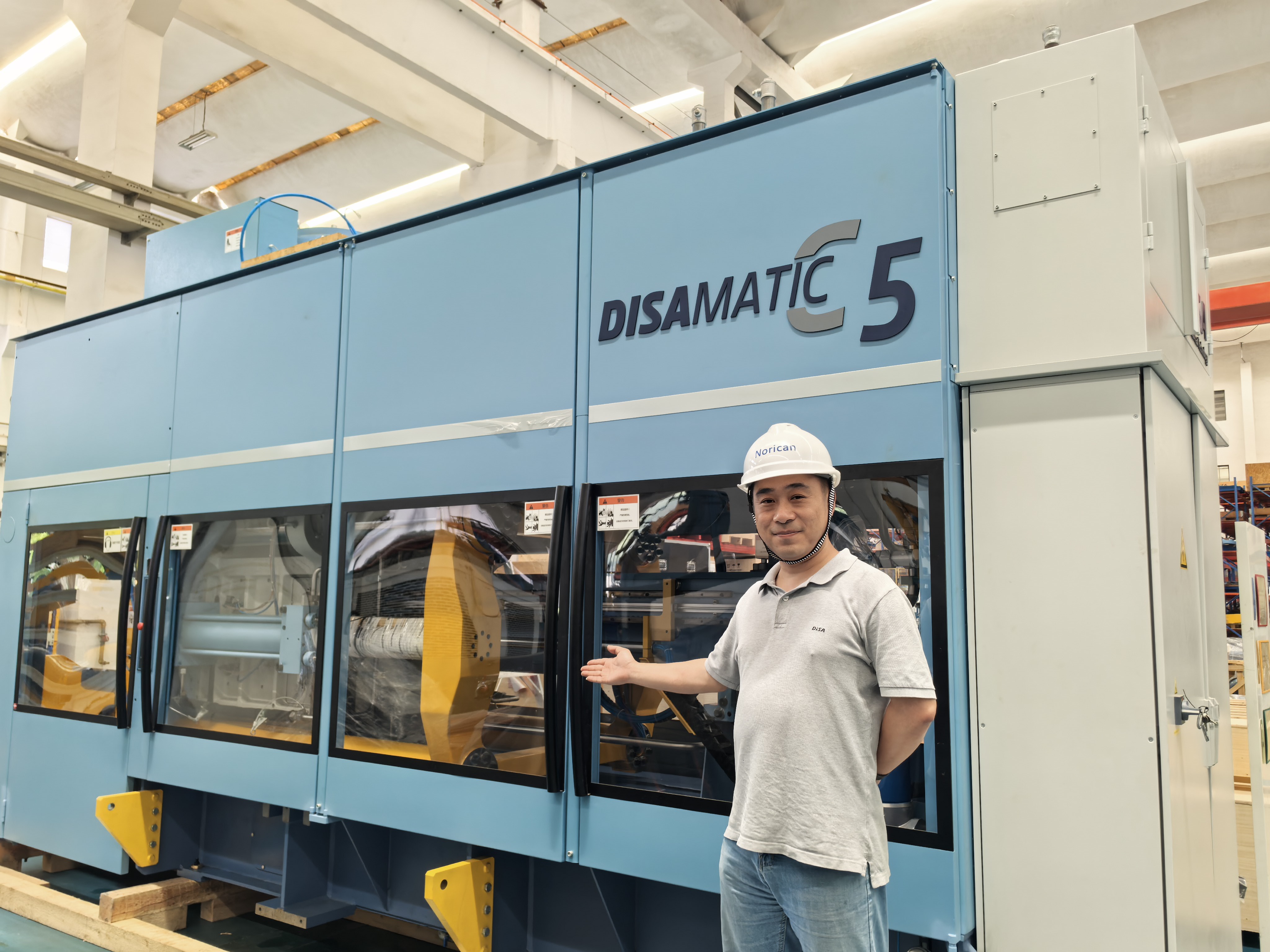
失調症C5インタビュー
2026年8月17日
[ニック・シュー]
「もしあなたが制作レベルをさらに向上させたいと考えているなら、DISAMATIC C5はまさにあなたにぴったりの製品です。」
ニック・シュー、DISA(国防情報システム局)技術移転スーパーバイザー。
[ラース・ヒェルム]
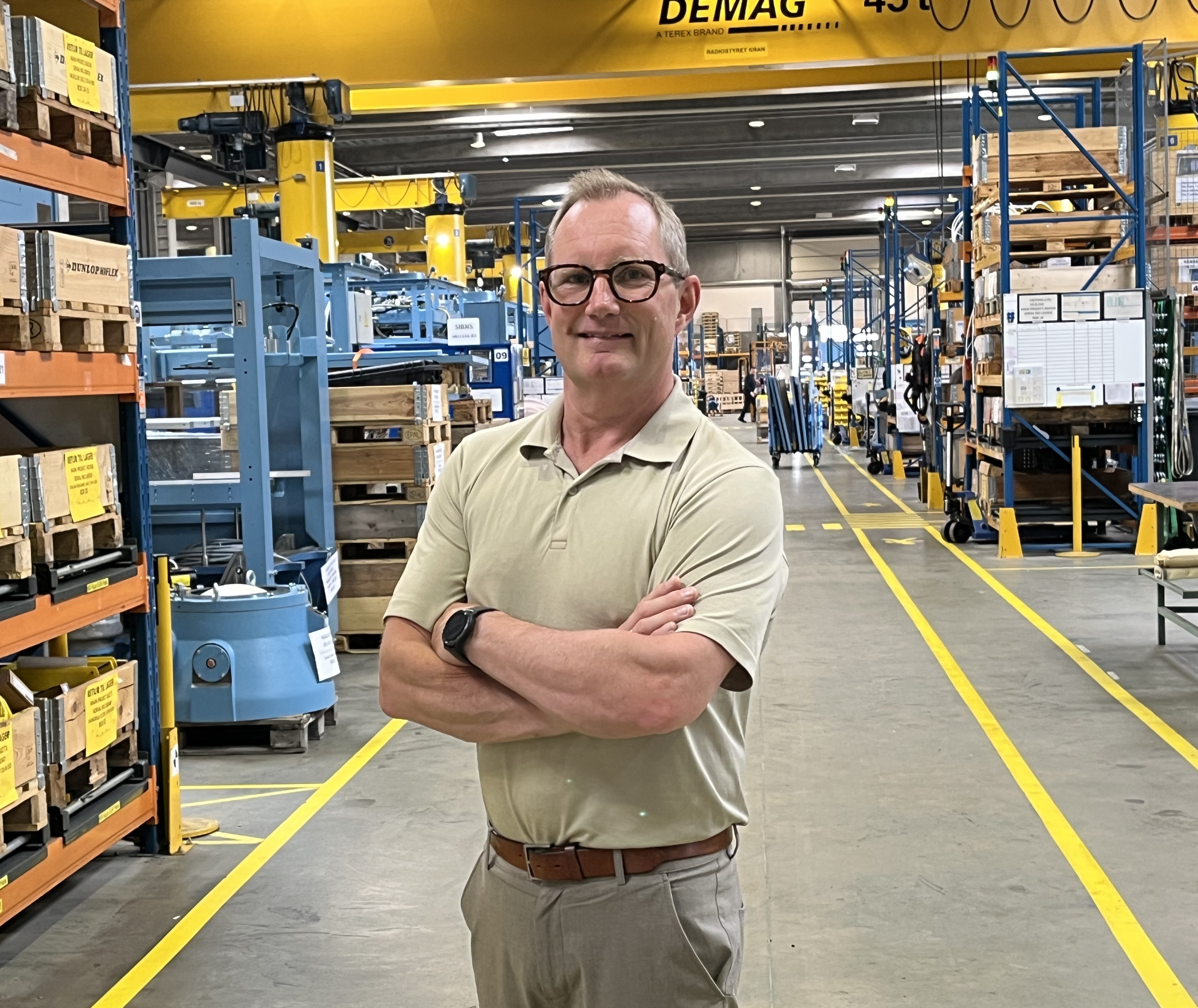
「C5は、総所有コストと鋳造1回あたりのコストを最小限に抑えながら、高速かつ高品質な成形を実現します。」
Lars Hjelm 氏、DISA 成形担当グローバル プロダクト マネージャー
DISAは、2026年5月に開催されたMetal Chinaにおいて、DISAMATIC C5を発表しました。この全く新しい中型垂直型生砂鋳造ラインは、品質と性能をスマートなエンジニアリング最適化と融合させ、意欲的な中国の鋳造工場が必要とするDISAMATICを提供します。
私たちは、DISAの技術移転スーパーバイザーであるニック・シュー氏と、DISAの成形部門グローバル製品マネージャーであるラース・ヘルム氏に話を聞き、この画期的な機械がどのように誕生したのか、その舞台裏を伺いました。
ラースとニック、お時間を割いてお話いただきありがとうございます。お二人はC5の開発に深く関わってこられました。まず、DISAはなぜこのような機械を製造することにしたのでしょうか?
ニック:2023年半ばにこのプロジェクトを開始した際、DISAMATICシリーズの重要なギャップを埋め、1時間に400個の無芯金型と340個の有芯金型を生産できる中型金型が必要だと考えていました。800×600mmの金型は多くの一般的な鋳造サイズに対応しており、中国では非常に人気のあるフォーマットですが、DISAはこれまでこのフォーマットを提供していませんでした。中国の優れた製造インフラを最大限に活用するため、C5はここノリカンの常州製造センターで製造することにしました。
多くのお客様がDISAを信頼し、DISAMATICを希望されるのは、DISAMATICが信頼性が高く、収益性が高く、24時間365日稼働し、何十年も安定して稼働し続ける頼もしい機械であり、当社の強力なサポートネットワークに支えられていることをご存知だからです。お客様は、安価ながらメンテナンス費用がかさみ、故障を繰り返す成形ラインにうんざりしており、このような機械を求めていました。私たちは、お客様がDISAに移行できるよう支援したいと考えました。
当初の設計目標は何だったのでしょうか?
ニック:私たちの最大の課題は、スピード、品質、稼働時間、生産性といったDISAMATICのメリットを、総所有コストを最小限に抑えながら市場にもたらすことでした。
これを実現するためには、中国市場向けに特化した全く新しいデザインが必要だと私たちは認識していました。
DISAMATIC C3は、この地で人気が高く評価されている機種ですが、C5はC3をベースに開発されたものではありません。全く新しい世代の機種です。
C5は、信頼性と生産性をさらに向上させ、メンテナンスの手間を最小限に抑え、非常に長い寿命を実現するとともに、もちろんDISAに期待される優れた鋳造品質を提供できるよう設計されています。
プロジェクトはどのように進めましたか?
ラース:デンマーク、中国、インドの各チームが緊密に連携し、機械のあらゆる面に多大な技術力を注ぎ込みました。DISAMATIC D5の砂弁のような実績のあるハイエンド部品と全く新しい部品を組み合わせたものの、私たちは一切の憶測に頼りませんでした。DISAMATICの性能をこの市場セグメントにもたらすため、すべての部品とすべての組み立て工程を見直しました。
例えば、多くの部品について3Dモデリングと有限要素解析を実施し、性能や信頼性を損なうことなく、設計と材料の最適化を図りました。また、Noricanのスマートな現地化戦略に基づき、中国のサプライチェーンを最大限に活用しました。この戦略では、世界各地の市場で部品を国内で製造・調達することで、現地のお客様に最高の価値を提供しています。
「地元産、地元向け」という戦略をどのように実践したのか、詳しく教えてください。
ラース:私たちは、中国国内のどこでも容易に入手できる、人気のある大量生産部品を慎重に選びました。そのため、C5はシーメンスやレックスロスといったお馴染みのブランドの高品質部品を使用していますが、板金から鋳造品、制御システムの電子機器に至るまで、機械のほぼすべての部品が国内で製造されています。
これを実現するために、当社はサプライヤーと緊密に連携し、精度と効率を最大限に高めつつ、長期間にわたって優れた性能を発揮する地域特化型の設計を開発しました。こうしてC5は、総所有コストと鋳造コストを最小限に抑えながら、高速かつ高品質な成形を実現できるのです。
ほぼ100%国産部品を使用し、機械を国内で製造することで、部品を世界中に輸送するためのエネルギー消費を大幅に削減できます。これは持続可能性の観点からも明らかにメリットがあります。
組み立て工程も確認しましたか?
ニック:それは常州の私のチームにとって大きな重点事項でした。サプライヤーには部品の機械加工と事前組み立て、品質チェックと機能テストを行い、モジュールを私たちに納入してもらいたかったのです。常州工場では、組み立てと最終テストのみを行います。
例えば、私たちはレックスロス社と多くの時間をかけて協力し、今では同社から当社の設計に基づいた完全な油圧パワーユニットを供給してもらっています。これは事前にテスト済みですぐに使用できるため、自社で何週間もかけて製作するのではなく、数分で設置できます。
また、成形チャンバーは組み立て済みでテスト済みのものを調達しています。これにより、組み立て時間を2週間から15分に短縮できます。これらのテスト済みモジュールを使用することで、迅速かつ効率的に製造でき、最終的な機械チェックを行う際に、すべてが正常に動作していることを確信できます。
C5の砂箱設計を特許申請していると聞きました。
ニック:はい、これはC5に関する5つの新しい特許のうちの1つです。通常は複数の部品から構成されますが、これはDISA社製機械としては初めて、砂室に単一の大きな鋳造部品を使用しています。地元のパートナー企業が鋳造を行い、その後、当社が要求する非常に高い精度で機械加工しています。
この新しいチャンバーは性能は申し分ないが、製造・設置コストは大幅に削減されている。デンマークは中国から学んでおり、今後他の新型機械にも同じ手法を採用する予定だ。
別の特許は、C5の側面に取り付けられた3領域油圧シリンダーに関するもので、これは既存のDISA設計の改良版です。このシリンダーは、非常にコンパクトな1つのシリンダーに2つの機能を兼ね備えています。すなわち、均一な砂密度を実現するための高い圧縮力と、スクイズプレートを解放して金型を搬送するためのスイングプレートの高速移動です。
この機械の開発には莫大な技術開発投資が投入されていますね!他に何か革新的な点があれば教えていただけますか?
ラース: C5の金型搬送ライン(AMC)も全く新しい設計です。部品点数を減らし、鉄の使用量を大幅に削減して軽量化を図りましたが、剛性は2倍になっています。この設計も特許を取得中で、将来的には他のDISAラインにも採用していく予定です。
C5の自動コアセッター(CSE)は、今年第3四半期に登場予定の全く新しい設計です。一方、同期ベルトコンベア(SBC)の設計を見直し、最適化しました(SBCは、注湯後の鋳型内冷却時間を延長します)。現在は標準的な中国製材料を使用し、軽量化と製造の容易化を実現しています。
C5は、DISA製品ラインとして初めて、工業デザイン会社と協力して機械の外観デザインを手がけた製品です。内外装ともに、とても洗練されたデザインになったと思います。
C5の稼働時間を最大化するために、他にどのような工夫をしましたか?
ラース:油圧フィルターなどの消耗部品や、タイロッドベアリングなどの重要な摩耗部品の交換を、非常に迅速かつ簡単に行えるようにしました。タイロッドアセンブリの全く新しい設計により、交換がはるかに簡単かつ迅速になり、これもC5の特許取得済み部品です。
C5は旧型機から800×600mmのパターンプレートを取り込むことができるため、設置と本格生産への移行が迅速に行えます。すべての新しいDISA製品ラインと同様に、NoriGateがプリインストールされており、当社のデジタルソリューションであるMonitizerに即座に接続できます。
鋳造工場が自社でC5を所有できるようになるのはいつになるのでしょうか?
ニック:私たちは2026年5月のメタルチャイナでDISAMATIC C5を正式に発表し、最初のプロトタイプはすでに江蘇省蘇州の新規鋳造工場プロジェクトに採用されています。
まとめると、野心的な中国の鋳造工場が次の生産ラインにDISAMATIC C5を採用すべき理由は何だろうか?
ニック:私たちは、800×600mm市場向けに、DISAの性能に中国ならではの工夫を加えたこの機械に全力を注ぎ込みました。C5はまさに最先端技術の結晶です。これほどの信頼性、スピード、そして価値を兼ね備えた中型成形機は他にありません。実際、当社のお客様の中には、DISAのライン1台で競合他社の機械2台を合わせたよりも多くの金型を生産している方もいらっしゃいます。C5はこの実績をさらに高めていくでしょう。
DISAは長年にわたり中国国内での製造に多額の投資を行ってきたため、C5をここで生産することが可能です。お客様は現在、DISAからC5ライン、シンプソン社の砂型鋳造技術、ウィーラブレーター社のショットブラスト設備を備えた、完全中国製の鋳造設備一式を購入できます。
他社が当社の設計を模倣した安価で粗悪な製品を販売しようとする中、当社は常に革新を続け、最高品質のDISA成形技術をできるだけ多くの鋳造工場に提供できるよう努めています。生産レベルをさらに向上させたいとお考えなら、DISAMATIC C5が最適です。
ニックとラース、お時間をいただきありがとうございました!
詳細情報
Cラインの詳細については、こちらをご覧ください。 ディサマティックCラインまたは、お近くのDISAチームにお問い合わせください。
編集者向け注記
DISAについて
デンマークのターストルップに本社を置くDISA Industries A/Sは、金属鋳造および成形技術におけるグローバルリーダーです。125年以上にわたるエンジニアリングの専門知識を活かし、最高品質の生砂鋳造ソリューションを提供しています。業界最小のミスマッチ、時間当たりの鋳造量、そして比類のない稼働率と信頼性で知られています。Noricanグループの一員として、DISAは100カ国以上の鋳造工場に専門的なコンサルティング、比類のない設備、そして包括的なサービスサポートを提供しています。詳細は以下をご覧ください。 https://www.disagroup.com 。
ニック・シューについて
DISAの技術移転スーパーバイザーであるニック・シューは、デンマークの研究開発部門と中国の生産施設を結ぶ重要な技術的役割を担っています。DISAのエンジニアリングチームおよび製造チームと緊密に連携しながら、ニックは中国の現地生産に適した設計や材料の調整を行い、サプライヤーとの技術的なコミュニケーションを管理しています。
ニックは、製造性、組み立て効率、および製品全体の品質を向上させるための設計変更に関する情報を開発チームにフィードバックし、すべてのエンジニアリング変更が適切に伝達され、実施されるようにします。
ラース・イェルムについて
ラースは、大型機械やコアシューターからロボット、大規模プロジェクトまで、サービス業務のほぼあらゆる側面において豊富な経験を有しています。1986年にDISAに入社し、試験部門の自動整備士として勤務を開始しました。長年にわたり、サービスチームの一員として世界中を飛び回り、DISAの機械や設備の設置に携わってきました。北米サービスチームの一員として、シカゴで2年間勤務した経験もあります。
現在、ラースはDISAの製品管理チームでグローバルプロダクトマネージャーを務めており、新型DISAMATIC C5の設計・開発に携わってきました。現在は、次期モデルとなるDISAMATIC D7の開発にも携わっています。